Following the January edition of Maison & Objet in Paris, much of the immediate commentary focused on restraint — quieter material languages, tactility, and a renewed emphasis on craft and longevity.
Those observations are valid. At MMUUZZ, however, we see this edition as revealing something more structural. It offered a clear snapshot of how different design cultures are currently positioning themselves within a shifting economic and cultural landscape — and in particular, how China’s role has fundamentally changed.
China as a design culture, not a market
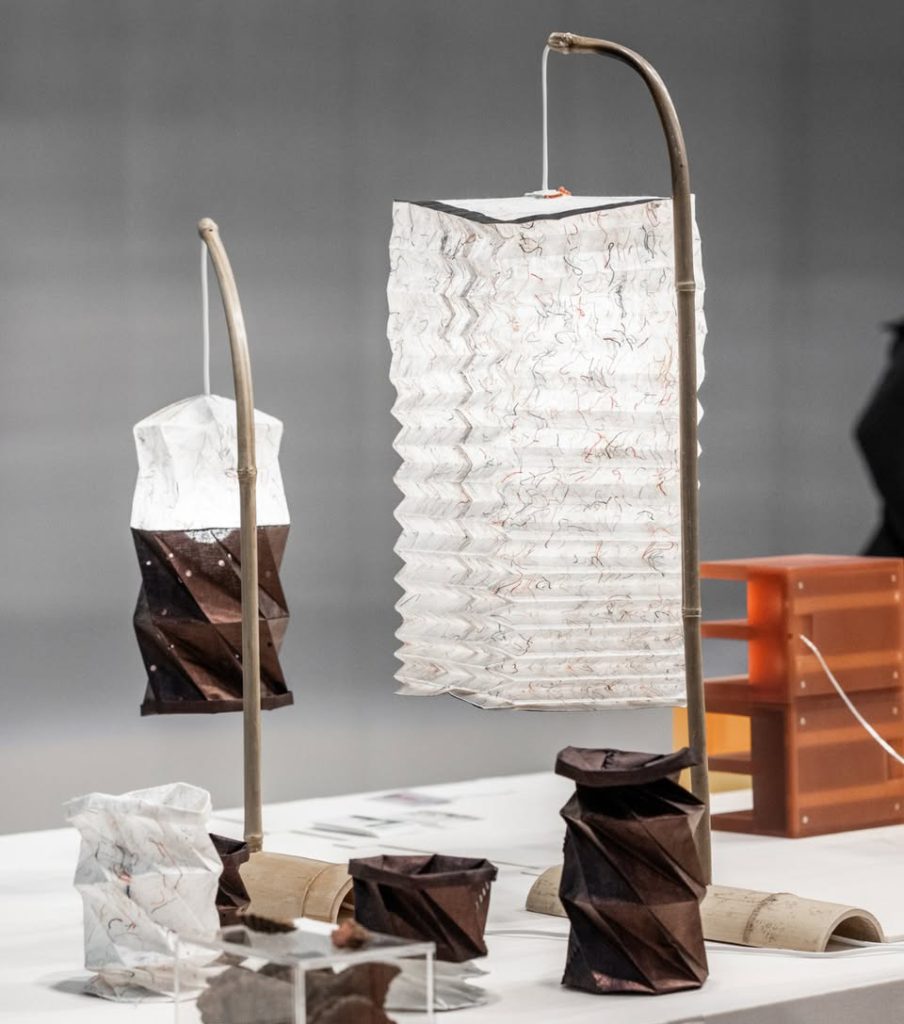
At Maison & Objet, China’s presence no longer reads as “emerging” or “catching up,” but as that of a design culture with its own internal criteria.
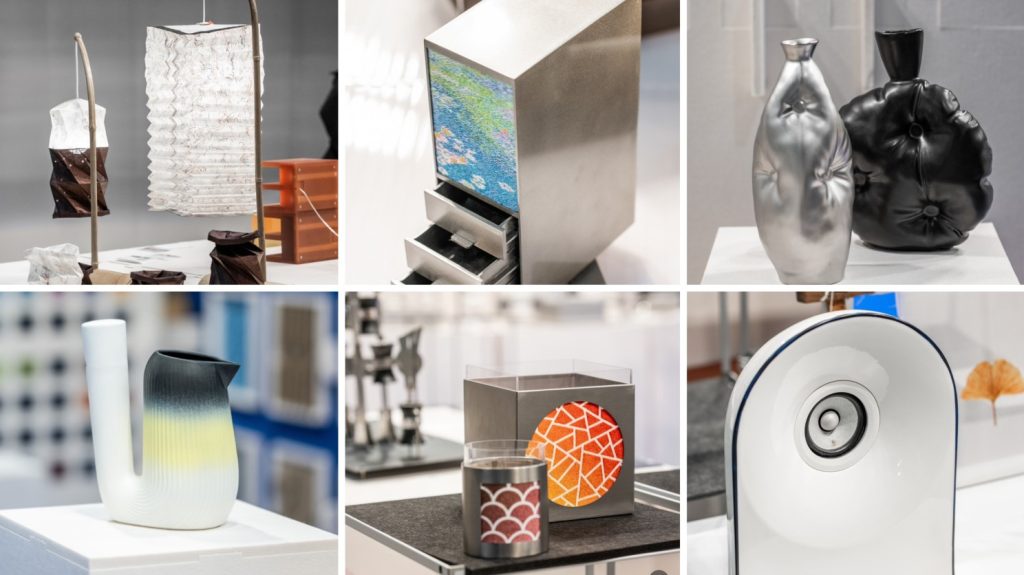
This shift was especially visible through the Design China Award (2025–2026), positioned not as a regional showcase but as an integrated curatorial framework. The focus was on material intelligence, production logic, and long-term relevance — design as a system rather than an image.

Context matters
The significance of this positioning is reinforced by the scale of the platform itself. The January 2026 edition of Maison & Objet brought together:
• 67,000+ visitors from 148 countries
• 2,294 brands, including 543 new exhibitors
• 186,000+ business connections
Within this highly international and commercially relevant context, Chinese design was neither symbolic nor peripheral.
Award focus: Trigram Side Table
The top honour of the Design China Award was awarded to the Trigram Side Table by MOD-TRIGRAM
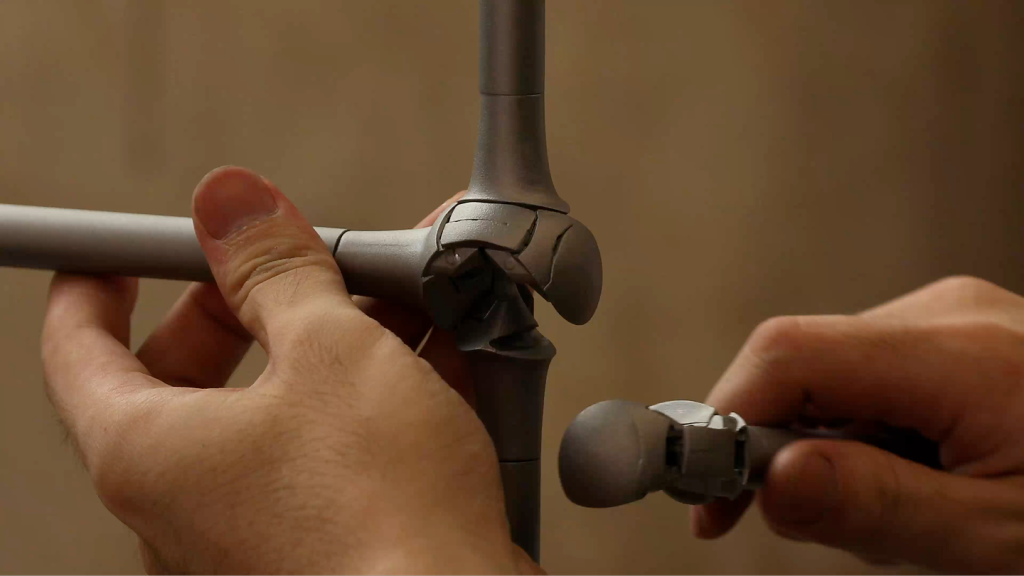
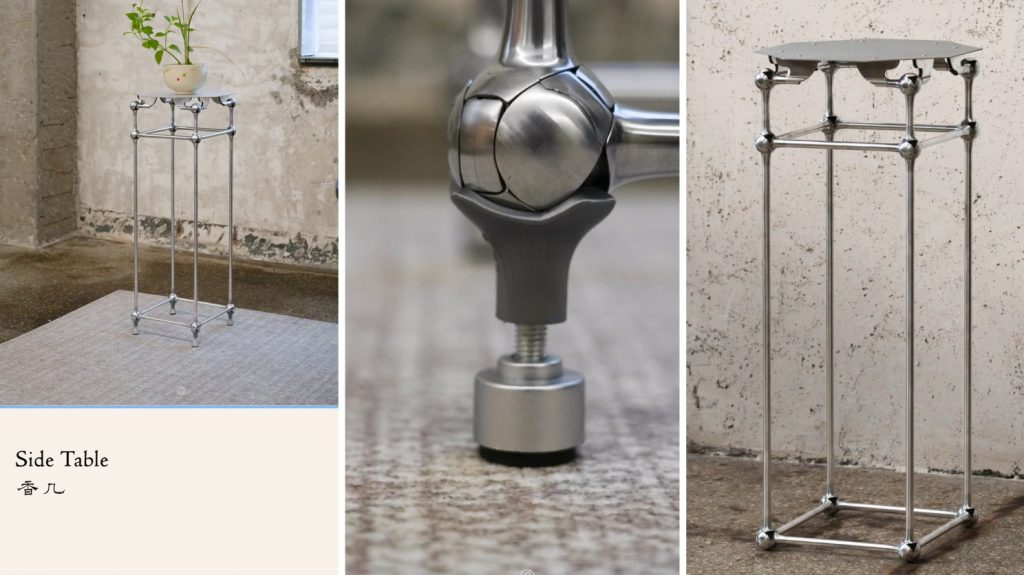
The project exemplifies several broader shifts visible this year: restrained form, clear structural logic, and a modular approach rooted in proportion, material honesty, and long-term usability. Rather than functioning as a purely expressive object, it reflects system-based design thinking.
Key takeaways from this edition
1️⃣ China is participating as a peer, not a guest Chinese designers are no longer presented as regional highlights, but evaluated alongside European counterparts — on authorship, process, and coherence.
2️⃣ Design is judged by structure, not surface Material systems, production realities, and scalability are increasingly central to contemporary Chinese design thinking — outweighing visual novelty.
3️⃣ Cultural identity is embedded, not illustrated Rather than relying on recognisable motifs, identity is expressed through method, proportion, and making.
4️⃣ The China market has moved from novelty to discernment What resonates today is not visual novelty, but clarity of intent, credibility of execution, and long-term relevance.

MMUUZZ perspective
The dynamics are also visible in on-the-ground practices in China, including big names we have recently visited, such as Voxflor, where material research, production logic, and spatial application are approached as an integrated design system. Engaging with China today is less about aesthetic adaptation and more about alignment — in values, production logic, and long-term intent.
At MMUUZZ, our focus is on fostering meaningful cooperation between design cultures, connecting Belgian and Chinese designers through shared development, knowledge exchange, and long-term collaboration.
Maison & Objet 2026 ultimately highlighted a clear reality: the most important conversations in design today are no longer about trends, but about who is ready to collaborate on equal terms.
And in that conversation, China is central.